

VIRTUAL LEARNING SERIES
Spring 2025 session descriptions and presenter bios

Past Sessions - 2025 Virtual Learning Series

Dr. Paige C. Pullen
President, Pullen Education Strategies
Senior Advisor, The Deal Center
Science of Learning Overview
SESSION ONE
This presentation by nationally-recognized leader, Dr. Paige Pullen, explores the intersection of the Science of Reading—a body of evidence-based practices focused on how individuals learn to read—and the Science of Learning, which emphasizes cognitive principles and how the brain acquires knowledge. By synthesizing these two fields, we can create instruction that is both research-informed and practical for educators.
Participants will examine key theories, such as orthographic mapping and explicit instruction, and learn strategies for implementing structured literacy practices that align with cognitive principles like reducing cognitive load, providing immediate feedback, and fostering long-term retention. Through real-world examples and actionable insights, attendees will leave with a toolkit for applying these sciences to support diverse learners effectively.
-
Dr. Paige C. Pullen is a nationally recognized leader in literacy and education, specializing in the science of reading, dyslexia, and teacher professional development. She pioneered the Literacy Matrix, a statewide learning system in Florida, improving educators’ reading instruction competencies by 82% and earning the Florida Reading Endorsement. Dr. Pullen has secured over $600 million in funding for literacy initiatives and designed micro-credentials and coach endorsements for thousands of educators. Known for simplifying complex concepts, she inspires audiences with practical, evidence-based strategies. Dr. Pullen holds a Ph.D. from the University of Florida and is a sought-after thought leader in literacy education.

Founder and Lead Consultant, SOR for More
National Literacy Consultant & Implementation Specialist
Justin Browning
Leveraging Leadership Knowledge to Transform Literacy Practices
SESSION TWO
In the session, “Leveraging Leadership Knowledge to Transform Literacy Practices” participants learned from leaders that have built their own knowledge around the Science of Reading and evidence-based literacy practices.
It was more than one training or taking an online course! They explained how their knowledge led them to reimagine their roles as instructional leaders and how they successfully implemented new practices that empowered teachers and improved student outcomes.
-
Justin Browning is a national literacy consultant and an implementation specialist that partners with leaders and educators to rethink systems and structures that improve reading instruction. He is the founder and lead consultant with SoR for More, a consulting and professional development organization that helps schools achieve more by moving knowledge into action.

Founding Director, Emily Lembeck Early Learning Center
Christine Ramirez
Coordinator for Early Learning, Marietta City Schools
Meredith Crittenden
Early Learning Success Story
SESSION THREE
Oral Language is instrumental in all forms of communication. Within the Science of Reading framework, Oral Language is identified as a critical skill for young students to develop the reading brain. When intentional strategies are implemented in an environment, the results are positive for all children. For our youngest learners, it is critical and will help define a clear path of communication. Strategies that were discussed were the TALK strategy, Tier 2 Vocabulary integration, START reads, and the integration of Social Emotional Learning with oral language.
-
Christine Ramirez has worked for Marietta City Schools for more than 20 years with experience in elementary school, middle school, and administration. With a passion for early learning, she is the founding director of the Emily Lembeck Early Learning Center, which opened in 2018 to ensure that all of Marietta’s children had access to a free, quality pre-kindergarten experience.
Ms. Ramirez holds a bachelor’s degree, master’s degree, and a specialist in educational leadership from Lincoln Memorial University.
-
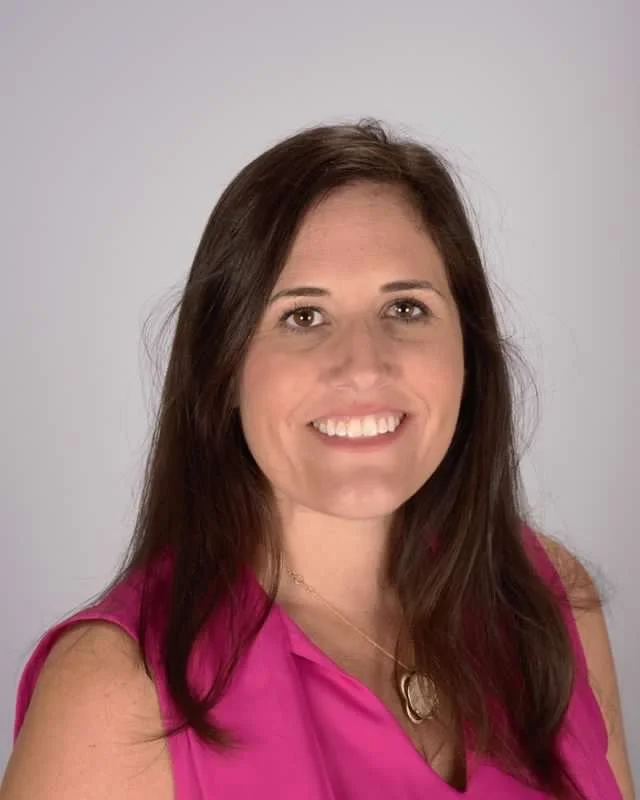
Meredith Crittenden is the Coordinator for Early Learning in Marietta City Schools. She has been in this role for 6 years and worked in a variety of other roles prior to moving to early learning. She believes that quality public education, specifically within early learning, is fundamental and crucial for all students. She advocates for the importance of wrap around support within the educational space for our youngest learners.

Lindsay Kemeny
Elementary school teacher, 1st grade
“Seven Mighty Moves”
SESSION FOUR, MARCH 18
Join teacher and author, Lindsay Kemeny, on an inspiring journey to unlock effective reading instruction! She will share seven ways teachers can modify what they are currently doing to transform their reading instruction.
Each “mighty move” focuses on a critical area of foundational reading: from the most efficient ways to teach phonemic awareness and phonics to how to boost comprehension. Lindsay will briefly discuss each move and offer up a specific strategy for each one that you can implement right away.
-
Lindsay Kemeny is a seasoned elementary-school teacher who is currently teaching first grade. After her son was diagnosed with dyslexia and depression, she began her deep dive into effective literacy instruction. She is a CERI certified Structured Literacy Classroom Teacher and holds a master’s degree in Curriculum and Instruction. In addition to being a classroom teacher, Lindsay has served as a teacher mentor and reading interventionist. She enjoys presenting locally and nationally, and co-hosting the Literacy Talks podcast. She is the author of the books, 7 Mighty Moves and 7 Mighty Moves Reading Resources. Her articles have appeared in The Reading League Journal and IDA Perspectives.
Margaret Goldberg
Literacy Coach,
Nystrom Elementary

Jamie Allardice
Principal,
Nystrom Elementary
Using Data & Optimizing Systems
Nystrom Elementary Success Story
SESSION FIVE, APRIL 1
In this session, Nystrom Elementary's principal and literacy coach will share how they’ve built a school-wide model for literacy instruction that fosters adult collaboration, prioritizes data-driven decision making, and has deepened their staff's commitment to students' success. They’ll share how their model for instruction has evolved over the years and the steps they’ve taken as leaders to sustain the work.
Join us for a discussion about their big picture vision—'At Nystrom we believe reading is a civil right'—and the concrete steps we take to make that vision a reality.
-
Jamie Allardice has served as principal at Nystrom Elementary since 2015. In his years at Nystrom, Jamie has worked hard to improve school culture (for both students and adults), build structures for teacher collaboration, and to center data in decision-making.
Literacy instruction has been the top priority of Nystrom staff for the past four years, and Jamie has led the construction and implementation of a vision for literacy. He and his literacy coach, Margaret, co-constructed a school-wide Walk to Read model of reading instruction that has dramatically improved student outcomes.
-
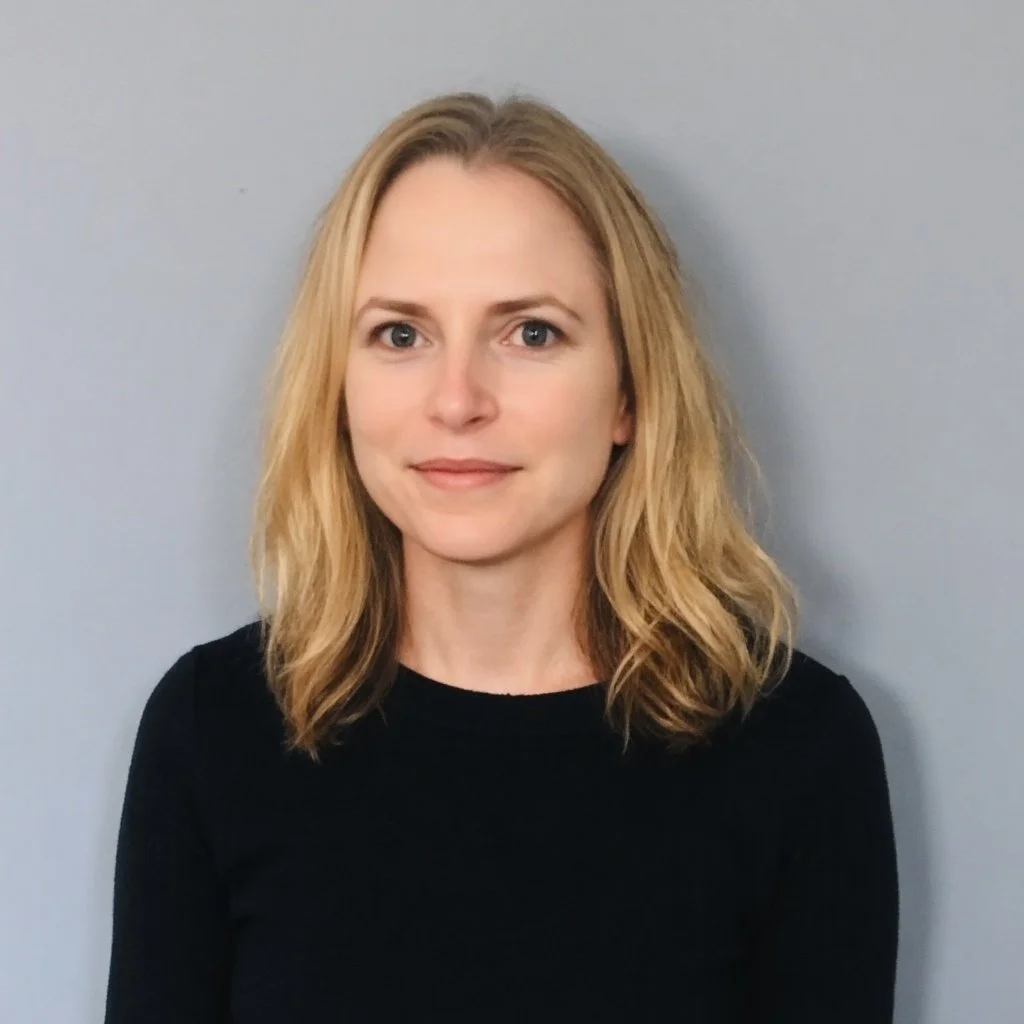
Margaret Goldberg is currently a literacy coach at Nystrom Elementary. She has held a variety of roles previously, including district Early Literacy Lead, Coach Network Facilitator for California's Early Literacy Block Grant, reading interventionist, and classroom teacher. In every role, she's worked to help schools and districts align instruction with reading research.
She is the co-founder of The Right to Read Project, a group of teachers, researchers, and activists committed to the pursuit of equity through literacy. Her writing is published on The Right to Read Project blog and on Reading Rockets.

Emily Rubin
Director, Communication Crossroads, Inc.
Language as the Missing Link
SESSION SIX, APRIL 15
In this session, the relationship between language development and the development of literacy will be highlighted. While language development dramatically and positively impacts life outcomes, it is often overlooked. Language as a Missing Link provides a set of freely accessible resources that are designed for individuals, practitioners, and policymakers to integrate and sustain a proactive approach that employs language as a well-being indicator.
This is foundational for learning, literacy, and well-being. Participants will take-away several freely accessible tools for measuring engagement, noticing language indicators of well-being, and providing developmental scaffolding that fuels learning.
-
Emily Rubin, MS, CCC-SLP is the Director of Communication Crossroads, Inc. She is a speech-language pathologist specializing in the relationship between social emotional engagement and learning. As a former adjunct faculty member and lecturer at Yale University, she participated in multidisciplinary research focused on social emotional neurodevelopment. She is a co-developer of the Social Emotional Engagement – Knowledge and Skills (SEE-KS) professional learning approach, which provides freely accessible tools for measuring social engagement and enhancing opportunities for engagement in a range of settings. She lectures internationally and provides consultation to education, healthcare, and child welfare systems.

April Hopson
Vice President, Adult and
General Education
Columbus Technical College
Language as Missing Link Educator Prep
Columbus Technical College Success Story
SESSION SEVEN, APRIL 29
The Language as a Missing Link (LML) training program has been seamlessly integrated into the Early Childhood Care and Education curriculum at Columbus Technical College. This initiative aims to enhance students' understanding of language development within the context of cognitive and social-emotional growth from infancy to age 12. The LML training video serves as a valuable resource, reinforcing key learning outcomes and providing students with practical insights into language development.
By integrating the LML training program into the Early Childhood Care and Education curriculum, Columbus Technical College enhances students' knowledge and skills in understanding language development within the broader context of child development. This holistic approach equips students with valuable insights and practical strategies to support children's cognitive and social-emotional growth from infancy to age 12.
-
April Hopson has served as the Vice President of Adult and General Education since 2015. Prior to Adult Education at Columbus Technical College, she held the position of Legal Studies Program Director and held previous educational positions in the Alabama Community College System.
Literacy instruction has been the top priority of Nystrom staff for the past four years, and Jamie has led the construction and implementation of a vision for literacy. He and his literacy coach, Margaret, co-constructed a school-wide Walk to Read model of reading instruction that has dramatically improved student outcomes.
President, Pullen Education Strategies
Senior Advisor, The Deal Center
Dr. Paige C. Pullen
Stumbling Blocks in SOR Implementation
SESSION EIGHT, MAY 13
Many teachers have learned that practices such as text leveling, the three-cueing system, and traditional running records are not supported by the Science of Reading, but they are often left without actionable alternatives. This session bridges the gap between understanding and application by exploring why these practices are ineffective and providing evidence-based replacements. Teachers will leave equipped with practical strategies for explicit instruction, orthographic mapping, and data-driven decision-making to enhance student outcomes and align their practices with research.
-
Dr. Paige C. Pullen is a nationally recognized leader in literacy and education, specializing in the science of reading, dyslexia, and teacher professional development. She pioneered the Literacy Matrix, a statewide learning system in Florida, improving educators’ reading instruction competencies by 82% and earning the Florida Reading Endorsement. Dr. Pullen has secured over $600 million in funding for literacy initiatives and designed micro-credentials and coach endorsements for thousands of educators. Known for simplifying complex concepts, she inspires audiences with practical, evidence-based strategies. Dr. Pullen holds a Ph.D. from the University of Florida and is a sought-after thought leader in literacy education.